Rotator Cuff Muscles: Your Ultimate Guide to Strength, Stability, and Injury Prevention
The rotator cuff muscles are essential for shoulder stability and movement. Whether you’re an athlete, fitness enthusiast, or simply looking to maintain shoulder health, understanding these muscles can help prevent injuries and improve performance. This article explores the muscles of the rotator cuff, their function, common injuries, and exercises to keep them strong.
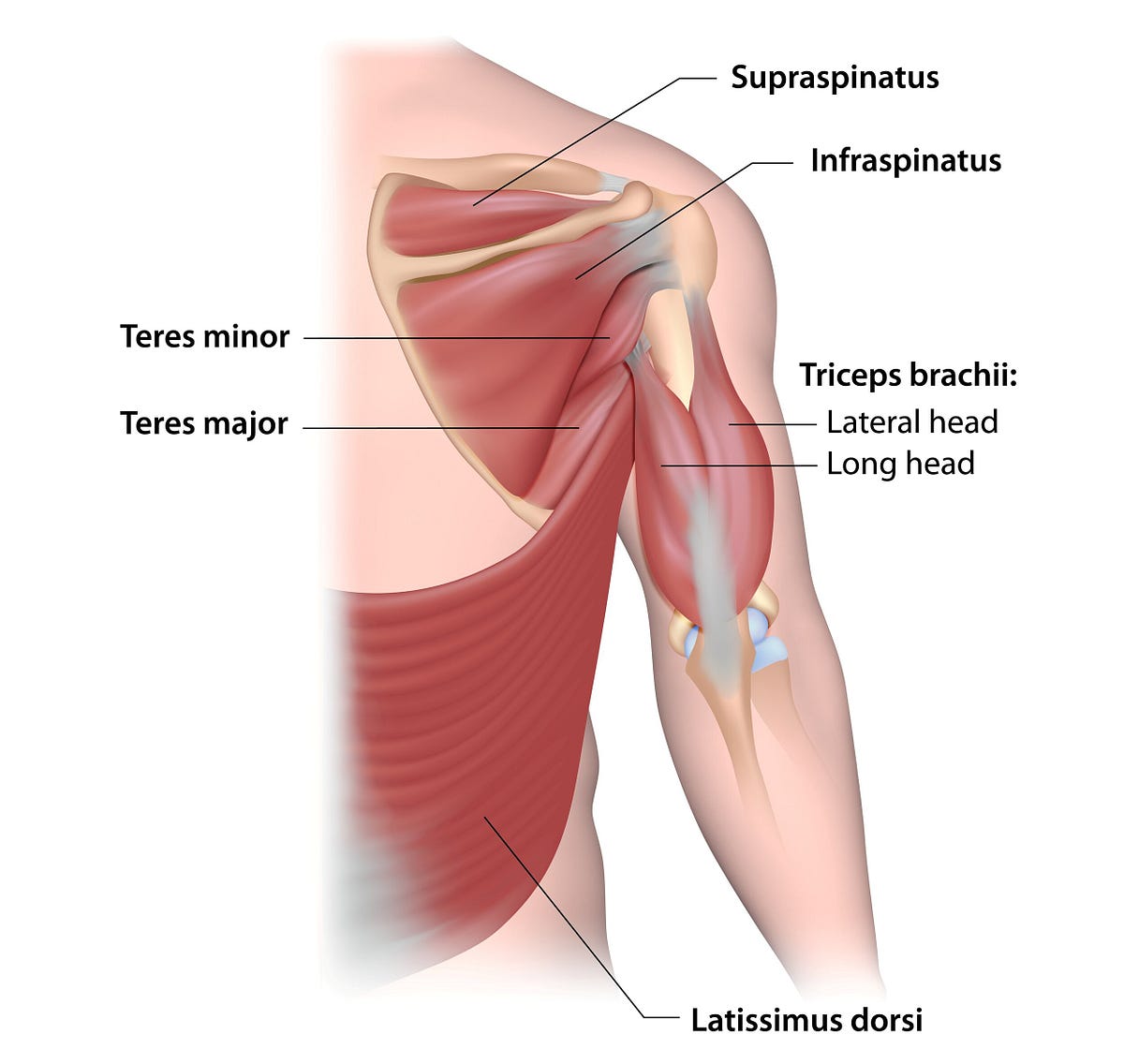
What Are the Rotator Cuff Muscles?
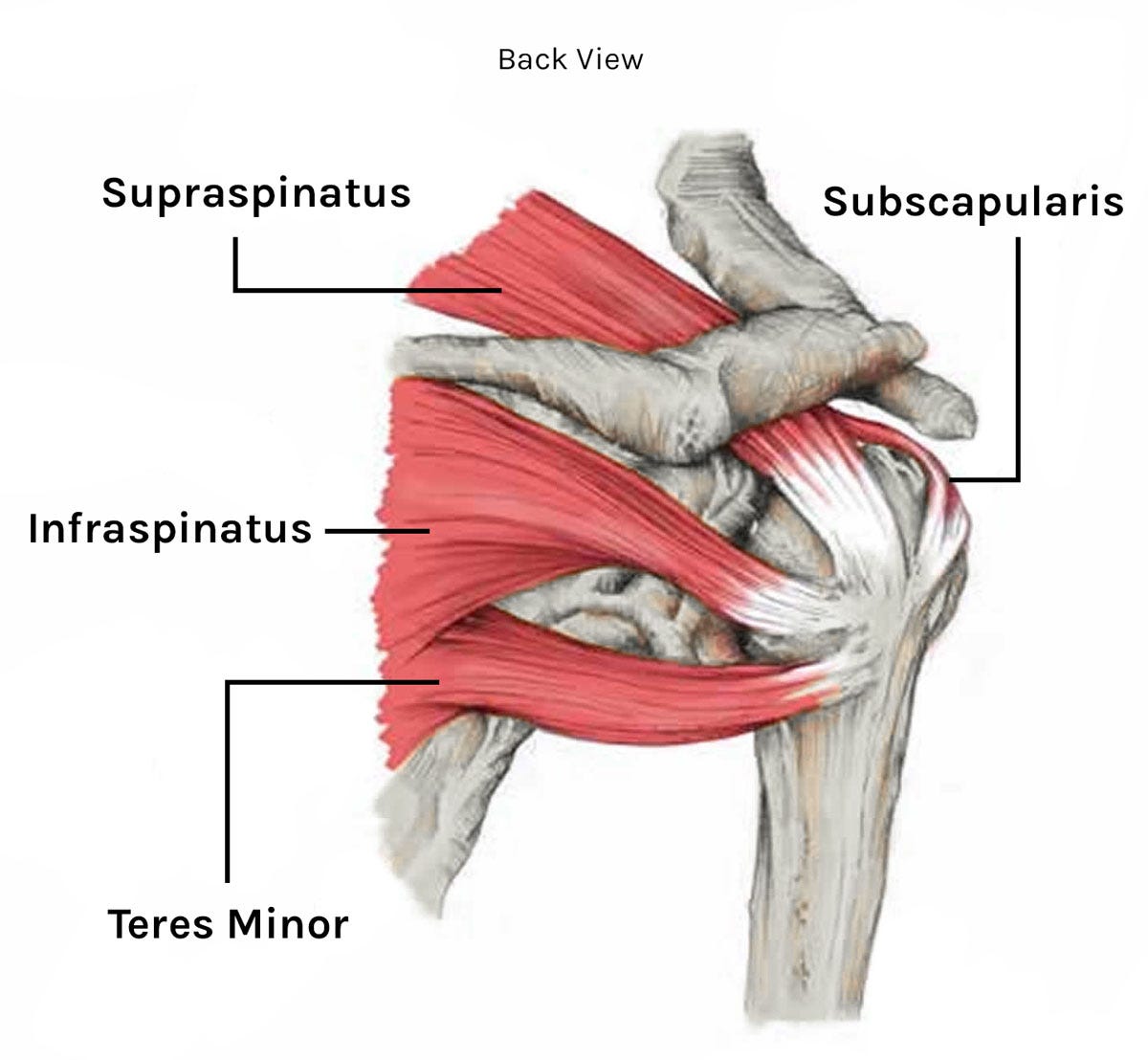
The rotator cuff muscles consist of four key muscles that support and stabilize the shoulder joint. These include:
- Supraspinatus — Assists in lifting the arm and stabilizing the shoulder joint.
- Infraspinatus — Helps with external rotation of the shoulder.
- Teres Minor — Supports external rotation and provides stability.
- Subscapularis — Aids in internal rotation of the arm.
These muscles of the rotator cuff work together to allow smooth and controlled arm movements while preventing shoulder dislocations.
The Function of Rotator Cuff Muscles
The rotator cuff function is crucial for maintaining shoulder health and mobility. These muscles stabilize the shoulder joint by keeping the humeral head (ball of the upper arm bone) centered in the socket.
Key Functions:
- Facilitating arm movements in multiple directions.
- Supporting lifting, throwing, and rotational motions.
- Reducing strain on other shoulder structures by distributing forces efficiently.
- Enhancing shoulder stability and reducing the risk of dislocation.
Common Rotator Cuff Injuries
The rotator cuff muscles are prone to injuries due to repetitive motion, overuse, or sudden trauma. Some of the most common injuries include:
1. Rotator Cuff Tendinitis
This condition occurs when the tendons of the rotator cuff muscles become inflamed due to excessive use. It is common among athletes and individuals who perform frequent overhead movements.
2. Rotator Cuff Tears
Tears in the muscles of the rotator cuff can be partial or complete, leading to shoulder pain and weakness. These injuries often result from trauma, aging, or repetitive strain.
3. Shoulder Impingement Syndrome
This happens when the rotator cuff muscles become compressed between the shoulder blade and the humerus, leading to pain and limited mobility.
Strengthening Exercises for Rotator Cuff Muscles
To maintain strong and healthy rotator cuff muscles, incorporating targeted exercises is essential. Below are some effective exercises:
1. External Rotation with Resistance Band
- Anchor a resistance band at waist height.
- Hold the band with your elbow bent at 90 degrees and rotate your arm outward.
- Perform 10–15 reps on each side.
2. Internal Rotation with Resistance Band
- Similar to external rotation but moving in the opposite direction.
- Strengthens the subscapularis, enhancing rotator cuff function.
3. Shoulder Retraction Exercise
- Stand tall and squeeze your shoulder blades together.
- Hold for 5 seconds and repeat 10 times.
4. Wall Angels
- Stand with your back against a wall and raise your arms overhead, keeping them in contact with the wall.
- This improves mobility and strengthens the muscles of the rotator cuff.
Tips to Prevent Rotator Cuff Injuries
Preventing injuries to the rotator cuff muscles requires proper technique, mobility training, and strength conditioning. Follow these tips:
- Maintain good posture to reduce strain on the muscles of the rotator cuff.
- Warm up before performing intense shoulder activities.
- Avoid repetitive overhead movements without proper rest.
- Incorporate stretching and mobility drills into your routine.
Conclusion
The rotator cuff muscles play a crucial role in shoulder stability and function. Understanding the rotator cuff function and strengthening these muscles can help prevent injuries and enhance shoulder health. If you experience persistent shoulder pain, consult a healthcare professional for proper diagnosis and treatment.
By focusing on your rotator cuff muscles, you can improve shoulder function, reduce injury risks, and maintain an active lifestyle. Whether you’re an athlete or someone aiming to enhance shoulder strength, incorporating these tips will contribute to long-term health and performance.


Comments
Post a Comment